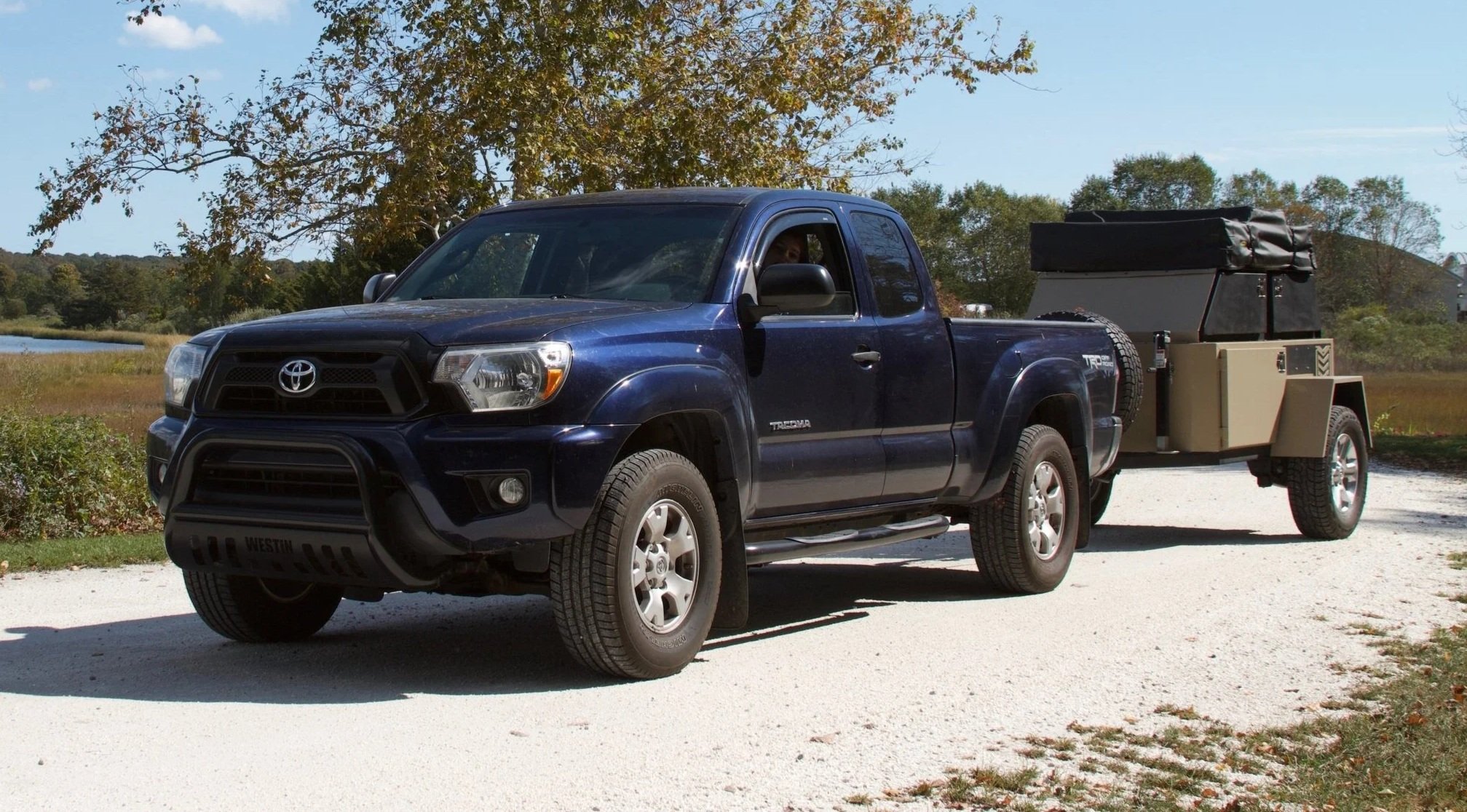
Symmetry Trailers
CX Research + Content Strategy
I was recruited for a year-long brand ambassadorship with this overlanding trailer company, primarily to produce content and run social media. But living with the product full-time, I started noticing design flaws the company hadn't surfaced through any of its normal feedback channels: water finding its way in through the door hinges, condensation building up in the water tank, and leaking taillights. I started fixing my own trailer to solve the problems for myself. The owner noticed, and what began as a content role turned into an ongoing design collaboration. I'd diagnose an issue, prototype a fix on my own trailer, test it with other owners in the field, and report findings back to him directly.
-
Field and observational research, root-cause diagnosis, user testing in real-world conditions, competitor and market analysis
-
Physical product iteration, materials testing, structural problem-solving, hands-on prototyping
-
Video editing, social media strategy, community management, brand storytelling
The clearest issue was water collecting inside the door after rain. I eventually traced the leak back to a gap created by the interior hinge design. I used a pressure nozzle on a hose to spray each section of the door at different angles until I isolated the exact entry point, then tested a range of gasket materials to seal it.
The fix introduced a new problem: the gasket created enough friction that it peeled during normal opening and closing. I recruited local camper owners to test the door feel directly and iterated through several adhesives until I found one that sealed the leak without compromising daily use.
Even after that fix, rainwater was still pooling on the door ledge and causing the paint to bubble on the exterior. I started jacking up the back end of my own trailer when parked to let water roll off, then recommended slightly angled door tops in future builds to solve the root structural cause rather than just the symptom.
I ran a similar diagnose-prototype-test process on a condensation issue in the rooftop water tank and a recurring taillight leak, documenting each solution clearly enough for the owner to implement directly into production.
Door Redesign
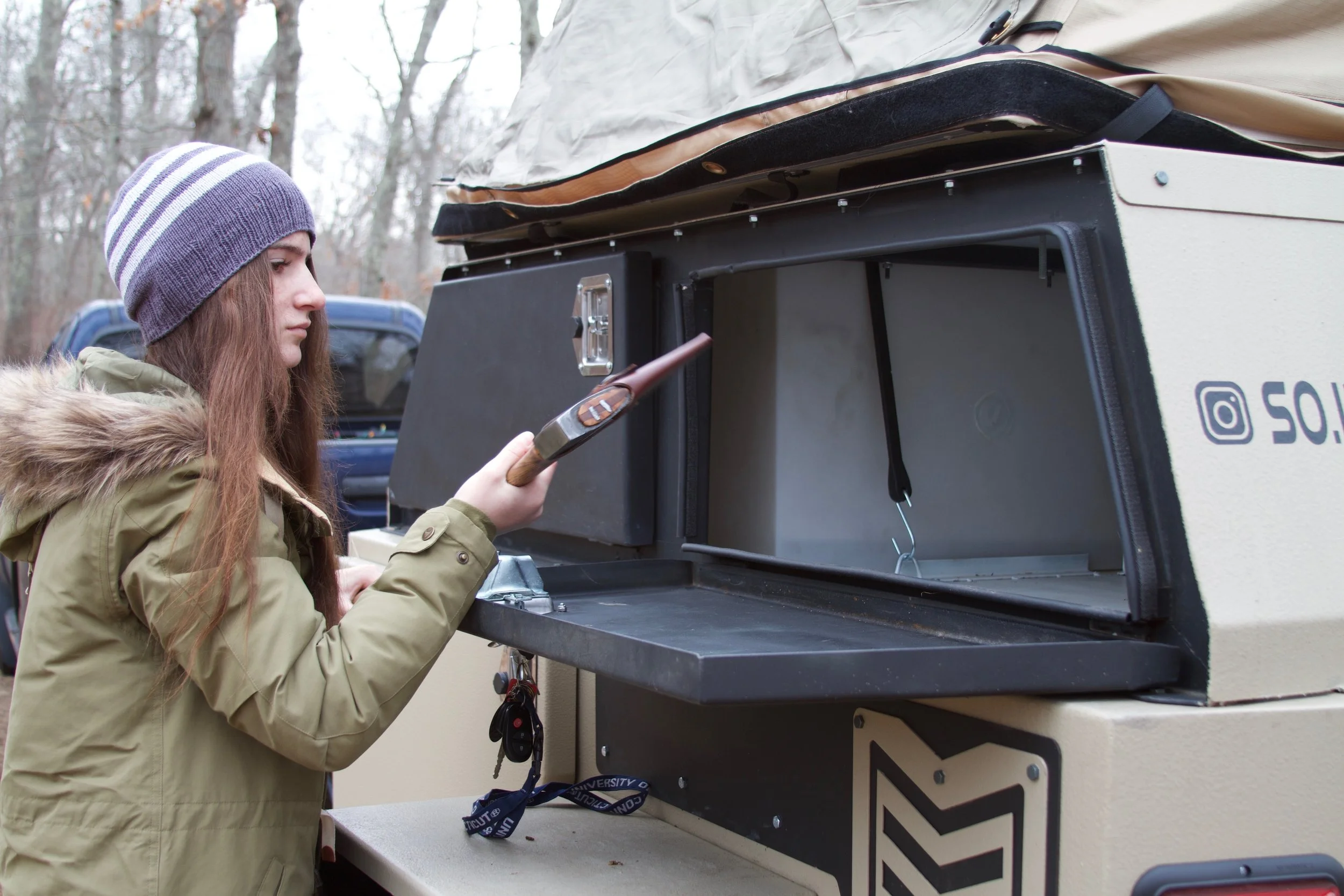
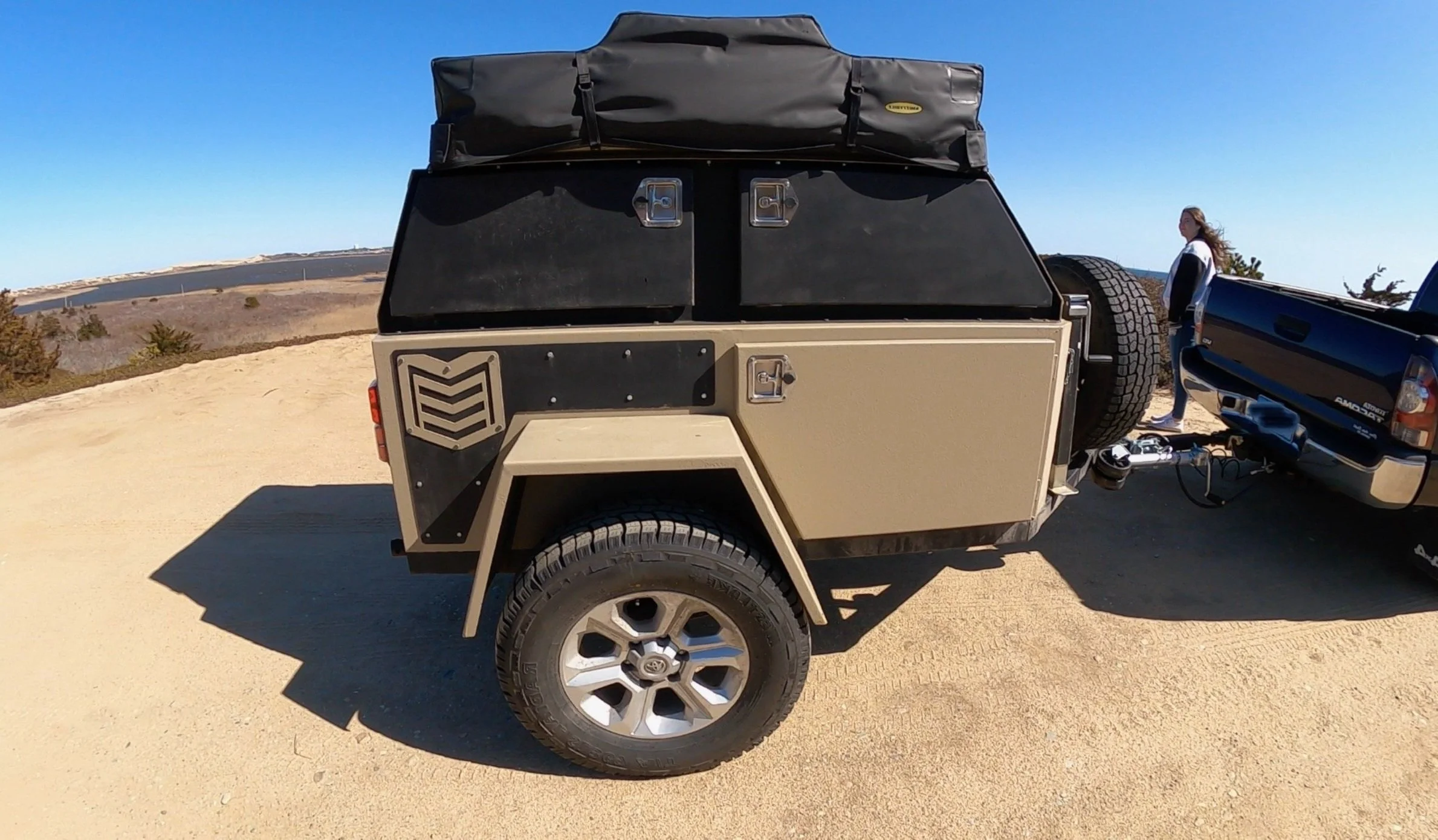
My own trailer became the live testing ground for every fix. I was living with the actual conditions that the product would face: cross-country driving, rain, temperature swings, sitting for periods of time, etc. Once I had a working solution, I proposed it to other trailer owners to validate the fix from a user's perspective before reporting findings back to the owner.
Solutions Research & Prototyping
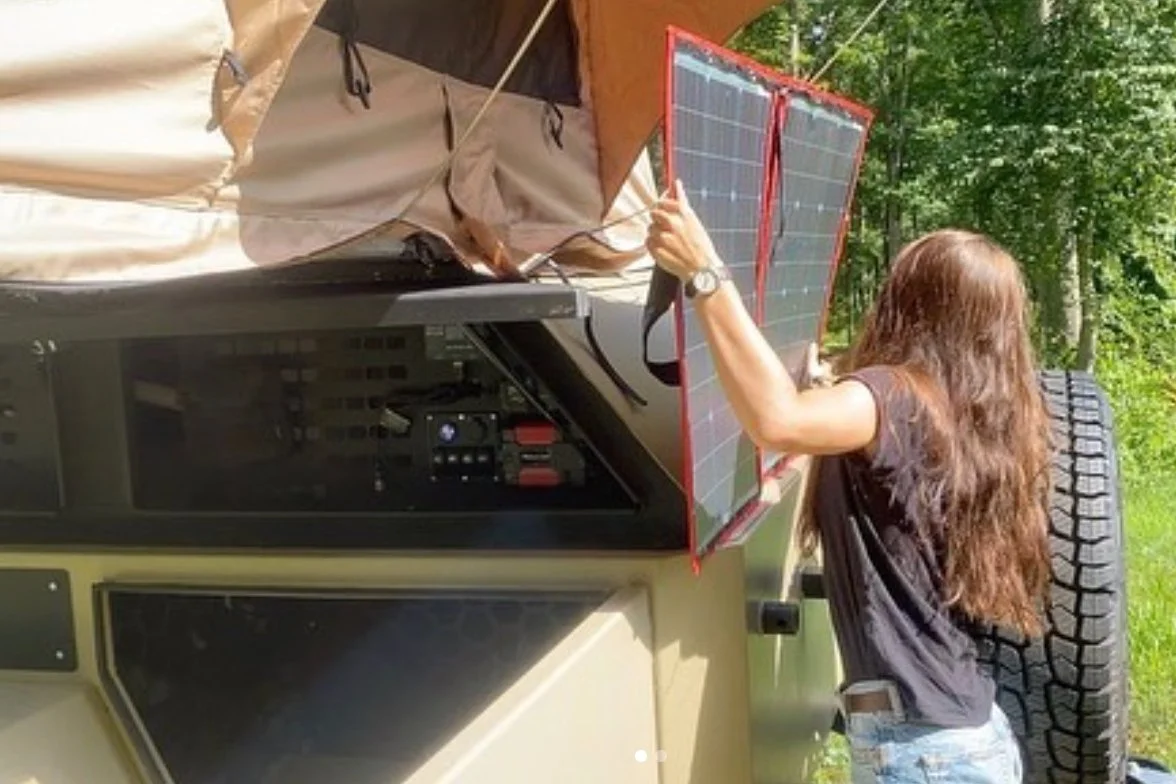
The owner began implementing my solutions directly into subsequent builds, and we adopted the same extreme-condition testing approach as a standard part of how the company developed new features going forward. Rather than designing in isolation and hoping a fix held up in the field, we used my trailer as a live testing unit and ran it through real driving conditions, weather, and daily use before finalizing any design change.
During my time with the company, this became the standard process we followed: identify an issue through actual use, prototype a fix, validate it under real conditions, then bring it back for implementation. The fact that my own trailer was the first prototype for so many of these improvements and new features gave me a real sense of ownership over those changes. I was living inside the solution until it actually worked, in a way that no amount of testing in a controlled environment could replicate.
The Outcome
